Window Tinting Applications in Tucson
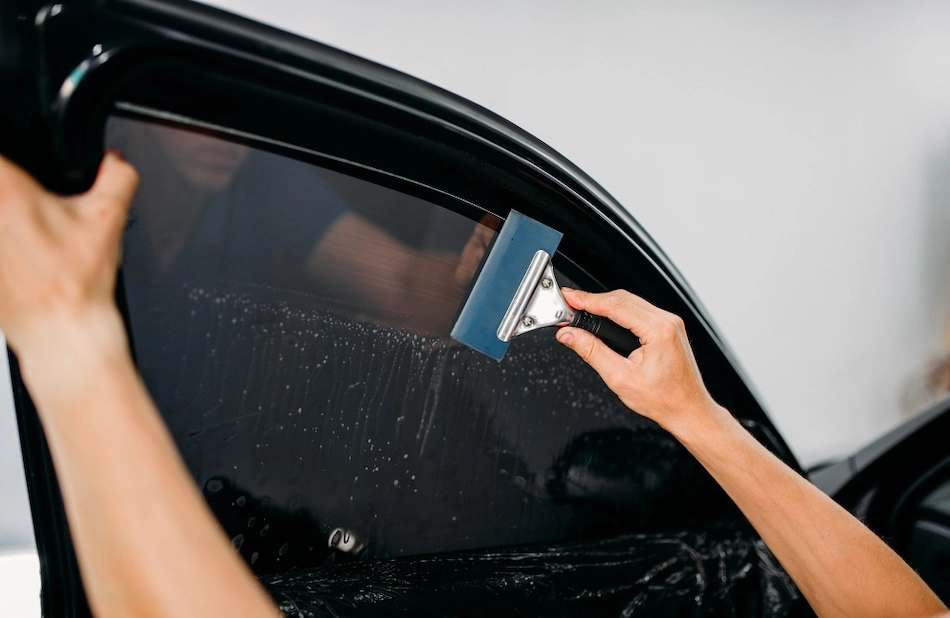

Window Tinting Applications in Tucson: What to Tint and Why
Not all glass in your vehicle performs the same, and tinting should not be approached as a one-size-fits-all upgrade. Whether your goal is reducing glare, lowering cabin temperature, protecting interior materials, or improving privacy, the specific areas you tint matter.
At Cool Auto Detail, installations are tailored to the vehicle, the driver, and Tucson’s climate using high-performance films selected for clarity, durability, and heat rejection.
1. Windshield Visor Strip Tinting
What it is:
A sun visor strip is a tinted band at the top of the windshield that reduces overhead glare from the sun without compromising forward visibility.
Why it matters in Tucson:
The angle of the desert sun can blind drivers early and late in the day. A visor strip gives immediate relief, reduces distraction, and improves comfort on bright drives.
Benefits:
- Reduces high-angle glare without darkening the full windshield
- Decreases eye strain during longer drives
- Maintains legal visibility when properly installed
- Uses high-clarity film to avoid distortion
Recommended film:
Ceramic or high-clarity film designed for optical precision. The goal is glare reduction without visual artifacts.
(Related: if you’re unsure what’s allowed, see the full breakdown in our Arizona window tinting laws guide.)
2. Moonroof / Sunroof Tinting
What it is:
Tint applied to the glass of a moonroof or sunroof to reduce heat transmission, block UV, and minimize the “greenhouse” effect while preserving the open-air feel.
Why it matters in Tucson:
The sun beating through a moonroof can significantly raise interior heat and expose occupants to UV even when the roof is closed. Tinting gives shade without sacrificing light.
Benefits:
- Reduces infrared heat and UV from above.
- Prevents interior bleaching/fading through the roof.
- Maintains aesthetics, and doesn't block the view when you want it.
- Improves overall cabin comfort without needing to close the shade all the time.
Special recommendation:
Ceramic film is preferred for moonroofs because it blocks heat aggressively while keeping visibility crisp and avoiding the reflective look of cheaper films.
3. Side & Rear Window Tinting
What it is:
Tinting on the passenger side, rear passenger, and rear windshield for privacy, heat rejection, glare reduction, and visual cohesion.
Why it matters in Tucson:
These windows bear the brunt of western/eastern sun exposure and contribute to interior overheating, fading, and visibility issues. They’re also prime for privacy and styling upgrades.
Benefits:
- Increases privacy and security.
- Cuts heat from lateral sun angles.
- Reduces interior fade from UV exposure.
- Creates a unified, finished look across the vehicle.
4. Full-Glass Strategy & Phased Approaches
Not every driver needs full coverage at once. Tucson drivers often phase based on pain points:
- Priority 1: Side and rear windows for privacy and significant heat reduction.
- Priority 2: Windshield visor strip for glare relief.
- Priority 3: Moonroof to reduce top-down heat and UV exposure.
- Expansion: Once comfort is noticed, many add full-side coverage or combine with Paint Protection Film and headlight restoration for holistic protection.
Selecting the Right Film for Each Area
Each section of glass has different performance requirements.
- Windshield strips require clarity and minimal distortion
- Moonroofs require strong heat rejection with clean visibility
- Side and rear windows require balance between privacy, appearance, and durability
High-quality films should provide:
- Consistent optical clarity across all glass types
- Effective heat and UV rejection
- A low-reflective, factory-style finish
- Long-term durability in high heat environments
Tucson-Specific Considerations
- Legal compliance:
Arizona tint laws define limits for visible light transmission and placement. Installations must meet these requirements. - Climate impact:
Extended sun exposure accelerates fading and interior wear. Tinting reduces long-term damage. - Driving conditions:
Glare from bright roads and dust is common. Proper tinting improves visibility and reduces strain.
FAQs
Do I need to tint everything at once?
No. Most drivers start with the areas that impact comfort the most and expand later.
Will tint reduce visibility?
Not when the correct film and shade are selected. High-quality films maintain clarity and reduce glare.
Is a visor strip legal in Arizona?
Yes, when installed as a non-reflective strip above the AS-1 line.
Where should I start?
Focus on your main issue. For most drivers, that is heat and privacy from side and rear windows.